
How To Teach Your Child Igbo, Yoruba Or Hausa Abroad

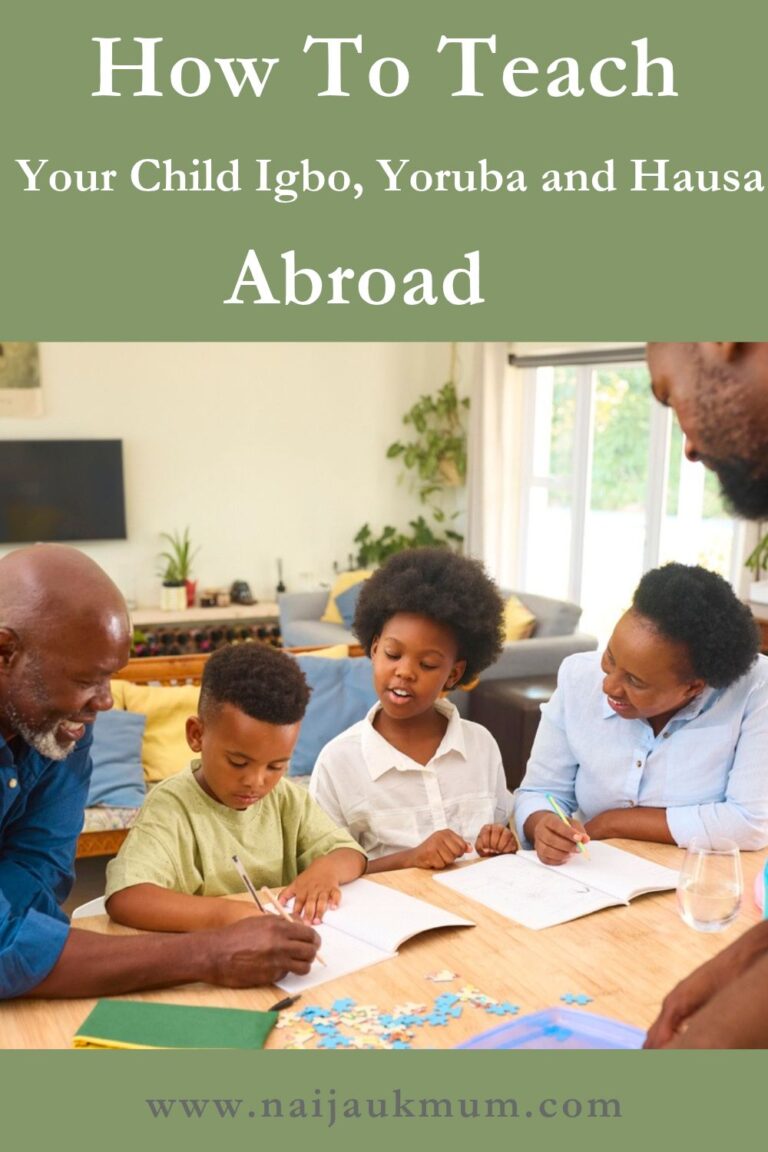
Grandparents helping a child learn to speak Igbo.

Ad: This post is sponsored by KidsLingua. I was paid to write it, and these are my own opinions. 

Do you want to teach your child Igbo, Yoruba or Hausa while living abroad? Is passing on your cultural identity, including your native language, as important to you as it is to me? Then this post is for you.

Family connection is very important to my family and me. So every Christmas, my siblings and our families all gather under one roof. We eat far too much food, play good music, and argue about Nigerian politics.

However, for the past couple of years, we’ve done our family Secret Santa, which everyone absolutely loves. This year, we’re adding something new for our children: an Igbo storytelling competition.

The rules are simple. Each child tells a story in Igbo, and the best storyteller wins a cash prize that the adults have all chipped in for. We’re from Onitsha, so the stories will come straight from home. I announced it in our big family WhatsApp group, and the children are already keen. Some have even started practising with their parents.

You see, the prize isn’t really the point. Most of our children understand some Igbo. A few of them understand a lot, but don’t yet feel confident speaking it. I want them to know that, with practice, they can speak it and enjoy doing so.

Most importantly, I want them to feel proud of our language and be able to answer back when their grandparents call or visit from Nigeria.

Why This Matters To Me

My children speaking Igbo matters to me, and I want it to matter to them too. My mother and my mother-in-law regularly visit from Nigeria and stay for long stretches. I’d love them to swap stories and experiences with the children in Igbo instead of English.

Beyond home, we are part of our Onitsha community association, where children are often taught Igbo. They sometimes play language games, answering basic questions about themselves in Igbo. The winner sometimes receives a prize. It’s much like our Christmas competition, and I want my children to take part with confidence.

As the Igbo proverb says, “Onye chefuru asụsụ ya, chefuru onwe ya” (Whoever forgets their language has forgotten themselves). A language is more than words. It holds our identity, history and cultural heritage, and this is what I am passing on to my children.

Five Simple Ways To Teach Your Child Igbo, Yoruba And Hausa

You don’t need to be fluent yourself to teach your child Igbo, Yoruba or Hausa. Here are the things I’m trying with my own family.

  • Start with introductions and greetings – say your name, where you come from, and basic greetings. 
  • Practise regularly – start by weaving your language into your everyday life. You can do this by speaking your language during your morning, dinnertime, and bedtime routines.
  • Attach words to your routines – for example, name the food at mealtimes. When my kids were little, I called soup “Ofe”, and that’s what they know it as now. Say bedtime blessings in your language. This is also a lovely way to pray together as a family.
  • Let the grandparents teach – Ask them to tell a short story or teach one new word on each video call. Children love hearing it from them.
  • Make it fun – Songs, games, and a little friendly competition, like our forthcoming Christmas competition, work better than corrections.

Whether you speak Igbo, Yoruba or Hausa, you can adapt these five ideas to your own language.

How KidsLingua Can Help You Teach Your Child Igbo, Yoruba or Hausa

Kidslingua Logo how to teach your child Igbo, hausa and yoruba

KidsLingua is a learning platform designed to help African families abroad pass on their heritage languages through songs, interactive games, and live teacher-led lessons. It currently supports Igbo, Yoruba and Hausa, with more African languages coming soon. It is available on Android, and an iOS version is coming soon.

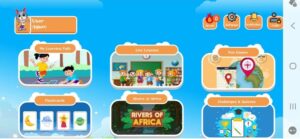
I took the Android app for a test run. I was able to explore some aspects straight away without logging in. I started by selecting Igbo and was taken to a dashboard with a learning path, live lessons, fun games, flashcards, Rivers of Africa, and quizzes.
How to teach your child Igbo, Yoruba and Hausa

I tried out two activities to get a feel for it. The first was Bug Smasher, a basic-level game where you hear an Igbo word/sound and smash the matching bug ten times to complete the game. It was simple enough for beginners. However, I much preferred the flashcards. Here, you see an Igbo word, pick the matching picture from four covered cards, and hear the word pronounced.

My only criticism is that the audio voiceover sounded more like English than Igbo, which made it less useful for learning authentic Igbo pronunciation. KidsLingua told me this is partly intentional. It introduces African languages with more accessible pronunciation first, then gradually moves learners toward more authentic sounds and tones as their confidence grows.

I also tested the KidsLingua website by registering using an invite code. I was given access to a dashboard where I could track learning progress, manage subscriptions and invite other families. I didn’t get a chance to test the live lessons.

If you are considering KidsLingua, note that KidsLingua says its teacher onboarding process requires identity and address verification, two referees, a criminal background certificate, and child-protection training. These are KidsLingua’s stated requirements, not a confirmation that checks have been completed for each teacher.

Before booking, ask whether you can sit in, what information is collected about your child, and how to report a concern. For younger children, stay with them while they use the app and keep the account in your name. Talk to them about what to do if anything makes them uncomfortable.

If you’d like to see for yourself, explore KidsLingua’s Igbo, Yoruba and Hausa learning activities (sponsored link), including the games and flashcards I tried in Igbo. You can also use my code NUKMUM for 10% off your first month of live lessons (valid until 11 May 2027; excludes the free app and other subscriptions).

Start Small This Christmas

5 ways to teach your child Igbo. yoruba and Hausa at home

You don’t need a family competition or a perfect accent to teach your child Igbo, Yoruba or Hausa. Just pick one phrase your child’s grandparent would love to hear, practise it together this week, and surprise them on the next call. The look on their face will tell you why it matters.

In the meantime, I’ll let you know how our Igbo storytelling competition goes and who wins the prize! If you’d like to hear all about it and get more practical tips for raising children in the diaspora, join my email list.

Which language are you passing on to your children? Tell me in the comments!

Sharing is caring😊

Leave a Comment

Your email address will not be published. Required fields are marked *